In most industrial setups, things don’t slow down. Production lines run constantly, and even a small delay can turn into a bigger problem. That’s why reliable material handling systems are such a big deal.
One company that stands out in this space is Wire Belt Company. They specialize in designing and manufacturing conveyor systems, especially mesh conveyor belt solutions for food processing and industrial use. What makes them different is not just the product itself, but how they support businesses—through custom designs, technical guidance, belt surveys, and practical training that actually helps teams avoid downtime and keep things running longer.
What Makes Metal Conveyor Belts Different?
Not all conveyor belts are built the same. Metal conveyor systems are designed for environments where standard belts simply don’t last.
They handle:
-
High temperatures
-
Heavy loads
-
Harsh cleaning processes
-
Continuous operation
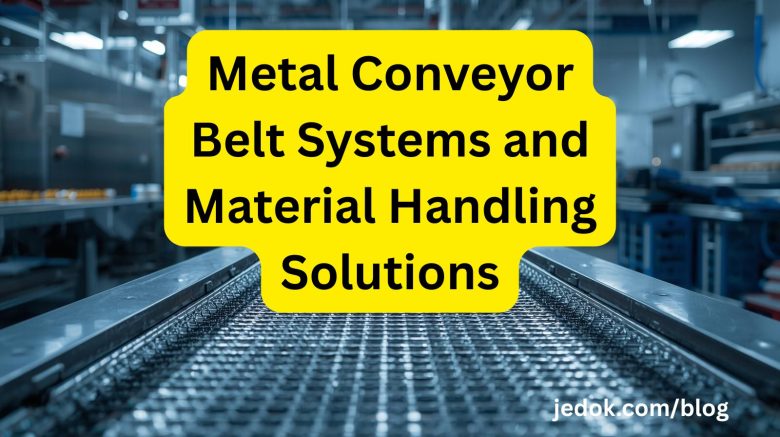
A mesh conveyor belt, in particular, uses interwoven metal wires. That open structure might look simple, but it solves a lot of problems at once—airflow, drainage, and heat transfer all become easier.
Why Mesh Conveyor Belt Systems Are So Widely Used
If you look across industries, you’ll notice one thing: the mesh conveyor belt shows up everywhere. There’s a reason for that.
Better Airflow (and That Matters More Than You Think)
Because of the open design, air and heat move freely through the belt. This is essential in processes like baking, freezing, or drying.
Easier Cleaning
In industries like food production, hygiene is critical. Metal mesh belts are easier to wash down and don’t trap debris the way solid belts sometimes do.
Consistent Movement
Products move smoothly and evenly. That consistency helps reduce defects, especially in automated systems.
Fewer Breakdowns
When built properly, these belts last longer and require less frequent replacement.
Where These Systems Are Used
You’ll find mesh conveyor belt systems in more places than you might expect.
Food Industry
-
Oven conveyor systems
-
Cooling and freezing lines
-
Frying processes
Manufacturing
-
Heat treatment
-
Assembly lines
-
Metal processing
Packaging
-
Sorting systems
-
Automated packaging
Specialized Environments
-
Pharmaceutical production
-
Chemical handling
Each use case has slightly different requirements, which is why customization becomes important.
Custom Solutions Make the Real Difference
Here’s the thing—no two production lines are identical. Even small differences in layout or product type can affect performance.
That’s why companies like Wire Belt Company focus heavily on custom-built solutions.
They adjust things like:
-
Belt size and spacing
-
Wire thickness
-
Edge design
-
Load capacity
It’s not just about selling a belt. It’s about making sure it actually works in your specific setup.
Efficiency Isn’t Just About Speed
When people think about efficiency, they usually think about faster production. But it’s more than that.
A well-designed mesh conveyor belt system helps with:
-
Reducing product waste
-
Lowering maintenance costs
-
Improving consistency
-
Saving energy over time
And honestly, avoiding unexpected downtime is often the biggest win.
The Hidden Cost of Downtime
A stopped production line isn’t just inconvenient—it’s expensive.
This is where ongoing support becomes important.
Good providers offer:
-
Belt inspections (surveys)
-
Preventive maintenance tools
-
Troubleshooting support
-
Staff training
These small things add up. Over time, they can significantly extend the life of your equipment.
Simple Maintenance Tips That Go a Long Way
Even the best systems need care.
Here are a few practical habits:
-
Clean belts regularly
-
Check for damaged wires
-
Keep tension properly adjusted
-
Fix small issues before they grow
Nothing complicated—just consistent attention.
Choosing the Right System
If you’re selecting a conveyor system, don’t overcomplicate it. Focus on what actually matters:
-
What are you moving?
-
What environment are you working in?
-
How fast does it need to run?
-
Are there hygiene requirements?
Getting these basics right makes the decision much easier.
What’s Changing in Material Handling?
Technology is slowly reshaping this space.
We’re starting to see:
-
Smart monitoring systems
-
Predictive maintenance
-
More energy-efficient designs
-
Integration with automated workflows
The core idea stays the same, but the systems are getting smarter.
Final Thoughts
At the end of the day, a mesh conveyor belt is not just a moving surface—it’s part of a larger system that keeps production flowing.
When it’s designed well, everything feels smoother. Fewer interruptions. Less stress. Better output.
And when companies combine solid engineering with real support—like custom solutions, maintenance tools, and training—it makes a noticeable difference over time.