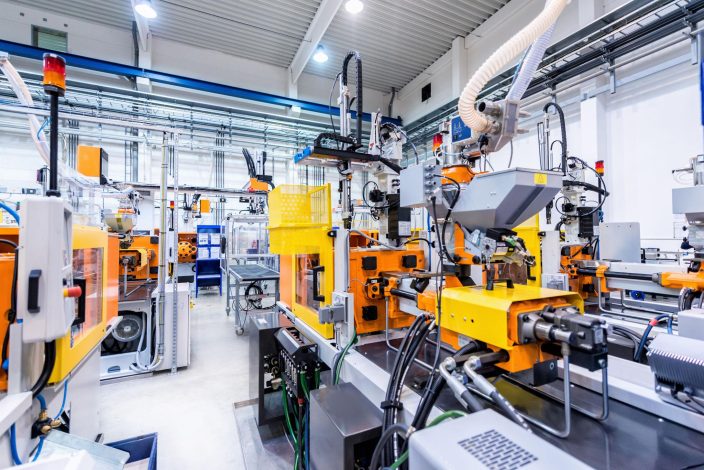
In today’s manufacturing space, getting parts made isn’t the hard part getting them made right, every time, is where things get tricky. That’s especially true when working with medical plastic injection molding companies, where even small inconsistencies can cause big problems.
A good example of how this is done properly is Plastic Molded Concepts (PMC). They’ve been around for over 50 years and are ISO 9001:2015 certified, which already says a lot about their process control. What stands out is how they don’t just “mold parts” they get involved early. From mold design and material selection to prototyping, failure analysis, and even secondary operations, they help companies avoid issues before they turn into expensive mistakes. That’s a big deal in industries like aerospace, medical, and electronics where precision isn’t optional.
So, What Is Custom Injection Molding (Really)?
At a basic level, it’s simple: plastic gets melted, injected into a mold, cooled, and turned into a part.
But in real-world use, it’s not that simple.
Every decision material, mold design, cooling time affects:
- How strong the part is
- How it performs over time
- Whether it passes quality checks
- And honestly, whether it fails in the field
That’s why “custom” matters. You’re not just making parts you’re solving a specific problem.
Why Businesses Don’t Just Go With Standard Parts
You can use off-the-shelf components. Plenty of companies try that first.
But eventually, they run into issues like:
- Parts not fitting quite right
- Materials degrading too fast
- Performance not matching expectations
Custom molding fixes that by designing everything around the actual use case instead of forcing a fit.
What a Good Injection Molding Partner Actually Does
A lot of providers say they offer full-service molding. In reality, the level of support varies a lot.
Here’s what you should expect (at minimum):
Early Design Input
This is where most problems either get solved or created.
A good team will question your design, suggest changes, and help you avoid:
- Warping
- Weak points
- Unnecessary complexity
Material Guidance
Not all plastics behave the same. Some handle heat better, others resist chemicals, and some are just cheaper.
Choosing wrong here usually shows up later as failures.
Prototyping (and Fixing Issues Early)
Prototypes aren’t just for testing they’re for catching mistakes before production.
Skipping this step often leads to expensive rework.
Advanced Molding Techniques
Things like:
- Overmolding (combining materials)
- Insert molding (adding metal components)
These aren’t always required but when they are, they can completely change how a product performs.
Secondary Work
Assembly, finishing, inspection these details matter more than people expect.
Where Injection Molding Makes the Biggest Difference
Let’s keep it real some industries simply can’t afford errors.
Medical
Precision and cleanliness are critical. There’s no margin for variation.
Aerospace
Lightweight parts, high strength, zero tolerance for failure.
Electronics
Small components, tight tolerances, high volume.
In all of these, consistency matters more than speed.
Common Problems (That Happen More Often Than You Think)
A few things that tend to go wrong:
- Designs that look fine on screen but fail in production
- Materials chosen based on cost instead of performance
- Poor communication between teams
- Rushing into full production too early
Most of these aren’t technical problems they’re planning problems.
Choosing the Right Manufacturer (Without Regret Later)
If you’re evaluating vendors, don’t just compare quotes.
Look at:
- How early they get involved
- Whether they challenge your design (this is a good sign)
- Their experience in your industry
- Their ability to scale production
The cheapest option often ends up being the most expensive one later.
Final Thought
Custom plastic injection molding isn’t just about making parts it’s about making sure those parts actually work in the real world.
When done right, it saves time, reduces failures, and improves product quality. When done wrong, it creates problems that are hard and expensive to fix later.
That’s why experience, process, and attention to detail matter more than anything else.