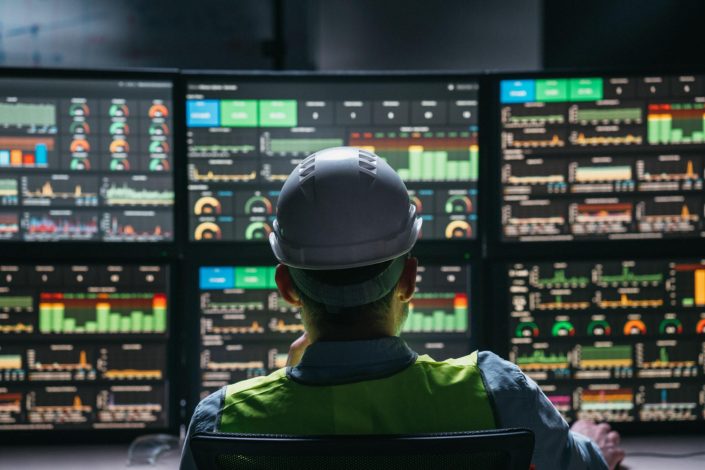
In real-world operations, systems rarely fail because of one big issue—it’s usually small inefficiencies stacking up over time. That’s where scada system integration and smart automation come into play. Companies like Pacific Blue Engineering show how this is done properly. As an experienced control system integrator, they deliver tailored automation solutions across manufacturing, food and beverage, life sciences, entertainment, and transportation. Their approach focuses on helping businesses streamline processes, modernize legacy controls, improve machine safety, enhance product quality, reduce operational risk, and gain real-time insights through advanced systems engineering and automation technologies.
Why Industrial Automation Is No Longer Optional
Most businesses don’t adopt automation because it’s trendy they do it because manual systems start breaking down under pressure.
You’ll usually see:
- Delays between processes
- Inconsistent output
- Limited visibility into operations
- Increased human error
Automation fixes these gaps by making systems predictable and connected.
What SCADA System Integration Actually Means
A lot of companies already use automation tools, but they operate in isolation.
That’s the real issue.
SCADA system integration connects machines, sensors, and software into one unified system. Instead of switching between tools or chasing data, everything becomes visible in one place.
When integration is done properly:
- Operators can monitor systems in real time
- Alerts trigger before problems escalate
- Data becomes actionable, not just available
- Decision-making speeds up significantly
It’s not about adding more technology it’s about making existing technology work together.
Core Components Behind the System
Even though setups vary, most integrated automation environments rely on a few key pieces:
PLCs (Programmable Logic Controllers)
These handle real-time control of machines and processes.
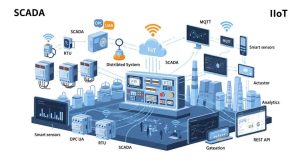
SCADA Platforms
They provide dashboards, monitoring, and control over operations.
HMI Interfaces
Operators interact with systems through simple, visual controls.
Sensors and Devices
They collect the data that drives decisions and automation.
Where Businesses See Immediate Impact
Let’s keep this practical this is what companies actually gain:
Better Process Efficiency
Tasks move smoothly without manual handoffs or delays.
Improved Safety
Machines respond faster than humans in risky situations.
Higher Product Quality
Consistency improves when systems follow the same process every time.
Reduced Downtime
Early warnings help teams fix issues before they turn into failures.
Real Operational Visibility
Leaders finally see what’s happening across the entire workflow.
Modernizing Legacy Systems Without Starting Over
One of the biggest misconceptions is that automation requires a full rebuild.
In most cases, it doesn’t.
Good integration strategies focus on:
- Keeping what still works
- Upgrading outdated components
- Connecting everything through a unified system
This approach reduces cost, avoids downtime, and delivers faster results.
Industry Use Cases
Different industries use automation differently, but the goal is always the same better control.
Manufacturing
Improves production speed and reduces waste.
Food & Beverage
Ensures quality control and regulatory compliance.
Life Sciences
Maintains strict accuracy and traceability.
Transportation
Enhances tracking, coordination, and system reliability.
Entertainment
Enables precise control of complex systems like lighting and staging.
What Makes a Good System Integrator
This is where many projects succeed or fail.
A strong integrator doesn’t just install systems. They:
- Understand how your operations actually work
- Design solutions around real workflows
- Keep systems simple and scalable
- Provide long-term support
The difference shows up in how smoothly everything runs after deployment.
Common Mistakes to Avoid
Some patterns show up again and again:
- Trying to automate everything at once
- Ignoring operator training
- Overcomplicating system design
- Not planning for future growth
Simple, well-integrated systems usually outperform complex ones.
What’s Next in Automation
Automation is evolving quickly, but a few trends are already shaping the future:
- AI-driven predictive maintenance
- Industrial IoT (connected devices)
- Cloud-based monitoring systems
- Digital twins for simulation and optimization
You don’t need all of this immediately but it’s worth planning for.
Final Thoughts
Industrial automation works best when it feels invisible when systems just run, data is easy to access, and problems get solved before they become visible.
That’s the real value of scada system integration. It connects everything, simplifies operations, and gives businesses the control they’ve been missing.
With the right approach and the right expertise automation becomes less about technology and more about running a smarter, more reliable operation.